
Nasogastric Tube Procedure - Insertion, Change, Feeding, Uses, Types, Care
What is Nasogastric Tube?
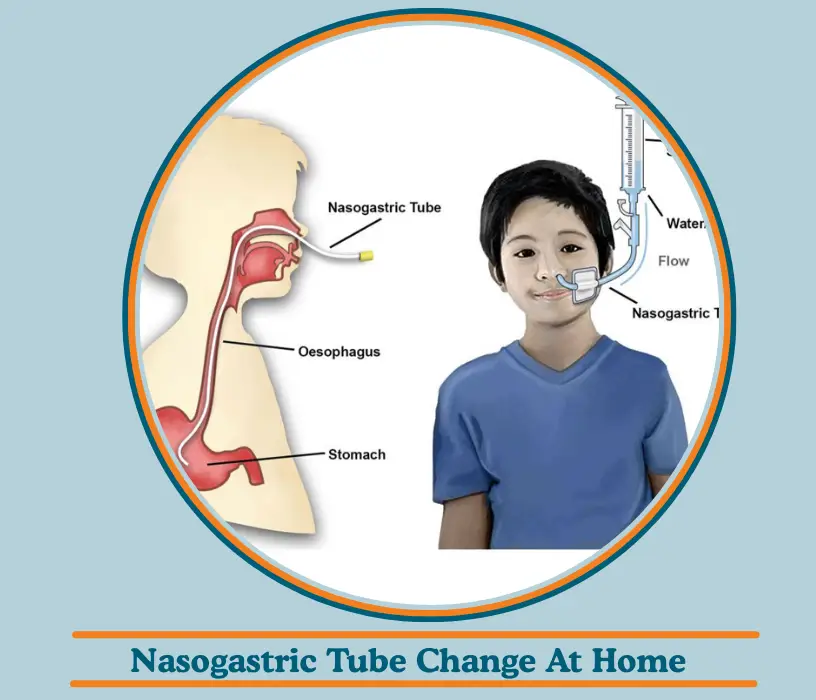
A nasogastric (NG) tube is a thin, soft flexible tube made of plastic or rubber, is inserted through the nose, down the throat (esophagus), and into the stomach to deliver food, liquid, or medication, or to remove substances from the stomach. NG tube is also known as the gastric feeding tube. Careoxy provides a nurse for home to Nasogastric Tube Insertion, can be placed temporarily or for extended periods, depending on the patient’s condition.
Nasogastric Tube Uses
The person who is unable to tolerate solid foods by mouth then NG tube is used to give nutrients via liquid nutrition. Nasogastric Tube is used in various medical conditions such as-
- Nutrition Support – The patient who can’t eat or swallow, Nasogastric Tube helps to provide liquid nutrition directly to the stomach.
- Medication Support – The patient who can’t eat pills NG tube helps to eat it.
- Stomach Decompression – Nasogastric Tube tubes can be used to decompress the stomach in cases of intestinal obstruction or ileus to remove gas or fluids from the stomach.
- Gastric Lavage – NG tube helps in washing out the stomach in cases of poisoning or overdose.
- Sample Collection – It also used to collect stomach contents for laboratory analysis.
Nasogastric Tube Insertion
Our Trained and caring nurses at Careoxy take all the necessary care and precaution while performing the process of Nasogastric tube insertion. Careoxy Home Nurses help out the patient for NG tube insertion to drain the gastric contents, introduce a passage into the GI tract, obtain a specimen of the patient’s gastric contents, and decompress the patient’s stomach.
Nasogastric Tube Insertion Procedure Step-By-Step
Before Starting Nasogastric Tube Insertion Procedure, Need some equipment-
- Nasogastric Tube (NG)
- Lubricant (Water soluble)
- Protective gown, gloves, and face shield
- 60 ml Syringe
- Tape and benzoin
- PH Paper (To confirm Placement)
- Emesis basin
- Towel or blue pad
- Stethoscope
- Topical anesthetic spray
- Cup of water and straw
- Suction (wall or mobile device)
Nasogastric Tube Insertion Procedure Step-By-Step
Preparation
- Home nurse that Careoxy provides, explains the complete procedure to the patient.
- Nurse washed their hands and put on gloves.
Use Lubricant
NG tube will apply water soluble lubricant on the upper part of the tube for 5-10 cm for easy insertion of the tube.
Patient Positioning
Place the patient in a sitting position.
Insertion
- When inserting the nasogastric tube, it may be very helpful when a nurse places their hand behind the patient’s head to keep him or her from pulling back.
- Slowly insert the tube into the nose and slide along the floor of the nasal cavity.
- Ask the patient to swallow as the tube goes down the nose and give them water if they have trouble swallowing.
- Advance the tube until it reaches the right place (to the stomach).
Placement
- Suck up the stomach contents with a syringe and check the pH of the contents. If the pH is 4 or less, the tube is in the correct place.
- Alternative method, Chest X-Ray to check the placement.
Secure The Tube
To secure the tube, Use a 4- to 5-inch piece of adhesive tape to the Patient’s nose to prevent movement.
Post Insertion
Use the tube for feeding or apparatus, or if not in use close it.
Care for After Nasogastric Tube Insertion
Flush small tubes, such as intestinal feeding tubes, with 15 to 35 mL of tap water at least 2 to 3 times a day.
Nasogastric Tube Change At Home
Changing a nasogastric tube at home needs a professional nurse, So we provide 24/7 home nursing services for NG tube change & care for it. Our Nurse follow some steps and considerations:
- Preparation & Hygiene – Wash their hands properly and wear clean gloves.
- Remove Old Tube – Pulled NG Tube slowly & removed it by detaching secure tape.
- Insert New Tube – Take the new tube, apply lubricant on top of the tube then insert it slowly.
- Checking Placement – Suck up the stomach contents with a syringe and check the pH of the contents. If the pH is 4 or less, the tube is in the correct place.
- Secure The Tube – To secure the tube to the nose with adhesive tape to prevent movement.
Nasogastric Tube Feeding
Nasogastric Tube Feeding Procedures are used to feed patients who cannot take in enough calories by mouth but have a functioning digestive system. Liquid nutrition through a nasogastric tube is placed in the nose or mouth and slid into the stomach. The liquid food is put into the tube and flows to the stomach.
Risks and Complications
A common complication associated with Nasogastric tubes is diarrhea. The risk of diarrhea depends on some underlying conditions.
Using different medications while having a Nasogastric feeding tube also affects your risk, as does receiving tube feeds through the NG tube.
With diarrhea, you may experience an imbalance of electrolytes (minerals that help muscles contract and keep you hydrated), malnutrition, and infection, so our nurse provides proper treatment if it occurs.
Nasogastric Tube Feeding can cause unpleasant side effects like reflux, nausea, and vomiting in some people. Other NG tube complications include:
- Abdominal cramps
- Aspiration
- Diarrhea
- During insertion, Chances to injury in the esophagus, throat, sinuses, or stomach
- Swelling
Dislodgement
Even once NG Tube is properly placed, it’s possible that it could get blocked or torn. In this situation, our nurse moves out of the NG tube of place, which is known as dislodgement.
Dislodgment occurs in 20% to 80% of patients who receive an NG feeding tube. Most risk is greater in older adults with cognitive problems, who may disrupt the tube because they don’t understand what the tube is or why they have it.
Nasogastric Tube Parts
- Nasogastric Tube Body – It’s a hollow flexible tube made of silicone, Polyurethane, or PVC.
- Lenght of the Tube – 50 to 60 cm long tube for adults.
- External Part of The NG Tube – External part of the tube that is kept outside the body and connected to the various devices like; Syringe, Feeding Bag, and Suction Apparatus.
- Internal Part of The NG Tube – Internal part of the tube kept inside the stomach has multiple holes for passage of fluids, medications, or stomach content.
- Radiopaque Strip – It has a radiopaque strip, making it visible on X-Ray for placement confirmation.
- Lubrication Tip – The tip of the NG tube for applying water soluble lubricant for easy insertion.
Nasogastric Tube Types
Nasogastric tubes are of three types, namely;
- Levin Tube – Levin tube is a single lumen rubber or plastic tube mainly used for the suctioning stomach content and or nutrition. It’s used only for short term purposes.
- Salem Sump Tube – It is a large bore tube with double lumen. One lumen is meant for suction and drainage, while the other smaller lumen is used for ventilation, reducing suction damage. It’s used for continuous suction.
- Moss Tube – The Moss tube also known as Sengstaken-Blakemore Tube is a triple lumen tube with a radiopaque tip. The first one is positioned and inflated in the cardia, the second one serves as oesophageal aspiration port and the third lumen is used as duodenal feeding port.
Nasogastric Tube or NG Tube Care at home with Careoxy Nurse
Here are a few points that our nurse follow for effective nasogastric tube care at home;
- Nurses help patients brush their teeth twice daily.
- Our Home Nurse Change the nasal tape on every alternate day or when it gets loose.
- Always clean the patient nostril area where the NG tube goes, with a cotton tip applicator dipped in warm water. If the nose has become sore then our nurse applies water soluble lubricant.
- The nurse ensures that the patient’s nose tape is kept secure at all times, in case the nasogastric tube comes out, No need to contact your doctor, our nurses are professionals and will handle it very carefully.
- Home will flush the feeding tube with water after every feeding session or medication.
Our Nurse for home is professional that is available for 24/7 service for home patients. Nurses play a very crucial role in the care and management of Nasogastric tubes. They ensure that the NG tube is functioning properly and keeping patients comfortable. If you want to book Careoxy nurse please fill the enquiry form. We will contact you soon.
Some Knowledge For You
CareOxy Services
- Attendant services
- Nursing services
- Physiotherapy service
- Medical Equipment
- Nurse on Short Visit
- Elder & Adult Care
- Mother & Baby Care
- Caretaker for elderly
- Semi nurse service
- Critical Patient Care